- Informative
Why Does Jewellery Tarnish? How to Store Jewellery to Prevent Tarnish
Every piece of fine jewellery tells a story, and with time, some metals naturally begin to develop signs of age. Tarnishing is a normal process that can affect many precious and semi-precious metals, subtly altering their appearance over time.
Understanding why jewellery tarnishes and how to prevent it allows you to care for your jewelry more thoughtfully, helping each piece retain its beauty for years to come.
What does tarnish mean?
Tarnishing is a chemical reaction caused when metals react with elements in the environment. This reaction affects the surface of certain metals, gradually altering the surface finish over time by causing them to lose their natural shine and develop a dull or discolored layer.
The way jewellery is stored can also make a difference. Keeping pieces in a cool, dry environment helps slow the tarnishing process, while prolonged exposure to humidity and open air may cause it to develop more quickly.
Does sterling silver tarnish?
Yes, sterling silver naturally tarnishes over time due to its alloy composition that typically incorporates copper. Despite silver being the dominant metal, the presence of copper means it will still react to oxygen, moisture and environmental elements and cause tarnishing over time.
Does stainless steel tarnish?
Stainless steel is highly resistant to tarnishing, making it a popular choice for everyday jewelry. Its natural protective layer helps shield the metal from moisture and oxidation, although exposure to chlorine, saltwater and everyday residue can leave the surface looking dull over time. Regular cleaning will help restore its appearance and keep it looking its best.
Does gold tarnish?
Pure 24-karat gold is naturally resistant to tarnishing. However, 14kt and 18kt gold are crafted with additional metals to improve their strength, making them more practical for everyday jewelry. As a result, they may develop signs of tarnishing over time, particularly with regular exposure to moisture and the environment.
Does titanium tarnish?
No, pure titanium doesn’t tarnish. When exposed to oxygen, it naturally forms a protective layer that shields the metal from moisture, salt and chemicals. While the finish may lose some of its shine with everyday wear, it won't tarnish like silver or other metals.
How to store jewellery to prevent tarnish
The best way to keep jewellery from tarnishing is through proper, considered storage that keeps it away from air, moisture and reactive elements. With a few tips on how to store jewellery properly, you can help to protect the delicate metals and settings:
- Clean jewellery clean before storing it – Gently wipe each piece with a soft microfiber cloth to remove oils, moisture and everyday residue before placing it back in storage.
- Store pieces separately – Keep jewelry in individual compartments within a jewellery box or watch case to minimise contact between pieces. This helps prevent scratches, tangles and unnecessary wear.
- Avoid heat and humidity – Warm, damp environments, such as bathrooms, can encourage tarnishing. Instead, store your jewellery in a cool, dry place away from direct sunlight.
How to choose the best anti-tarnish jewellery storage
Well-designed jewellery storage does more than keep your collection organized. It helps create the ideal environment for preserving the beauty of your jewellery, reducing exposure to air, moisture and unnecessary contact over time.
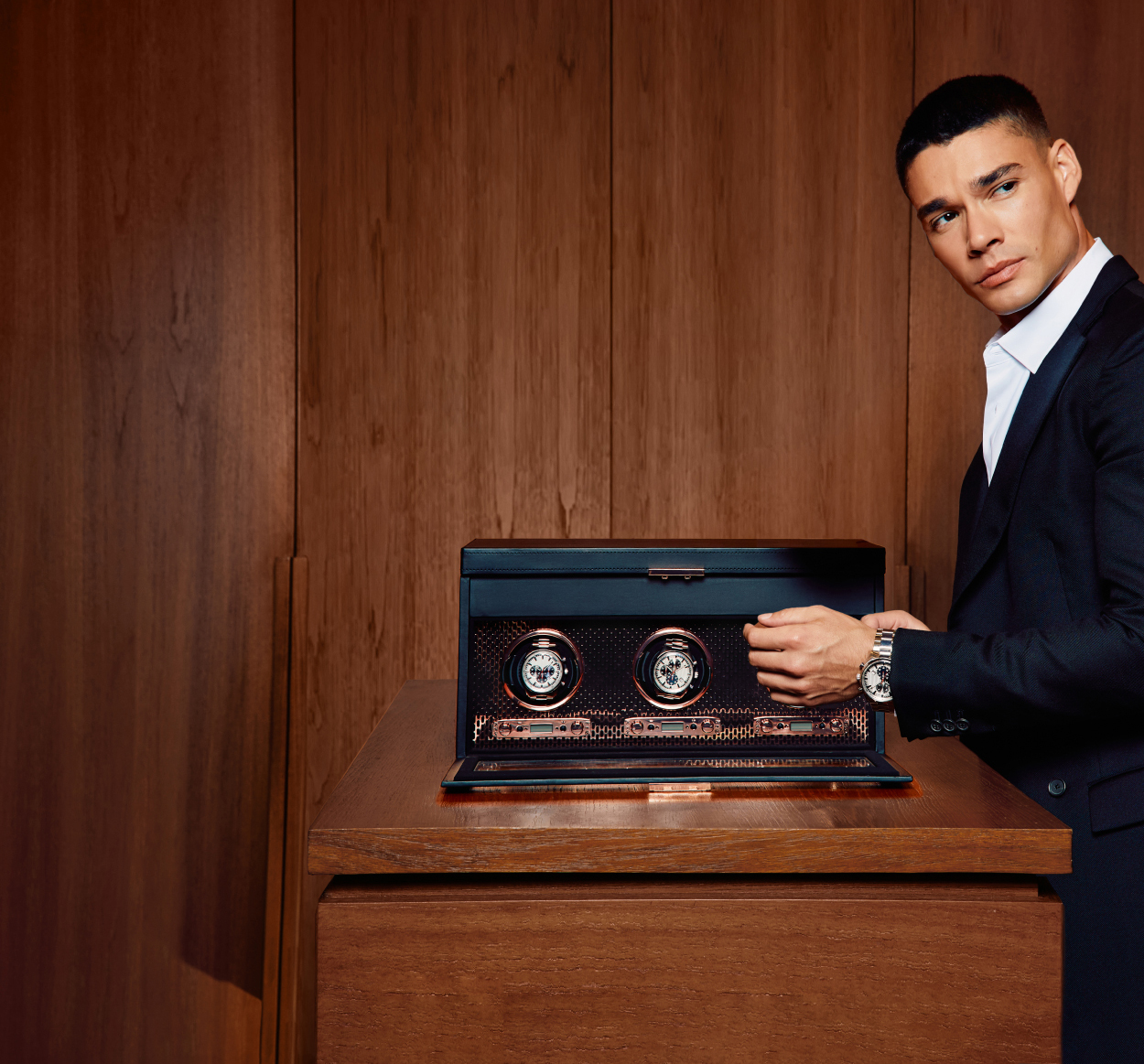
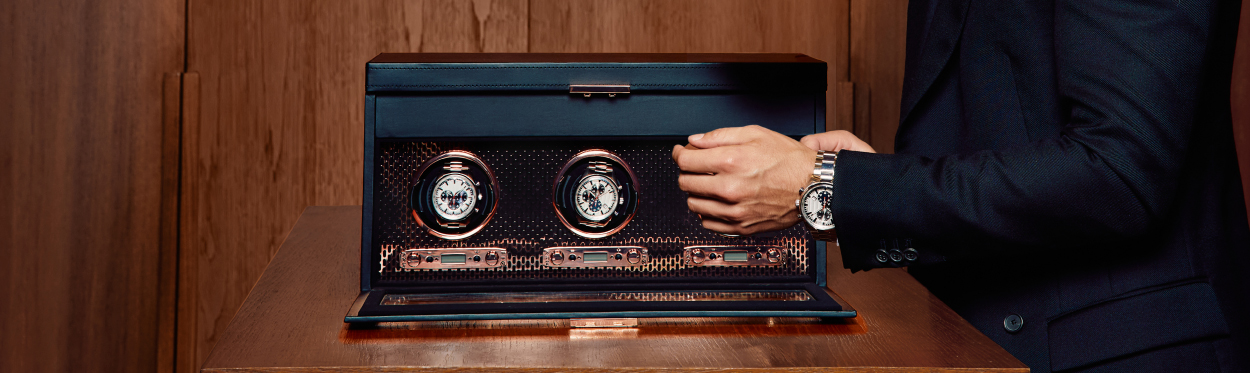
For watch collections, choose a dedicated watch boxes and watch winders with a soft interior and individual compartments. These help protect each timepiece from dust, moisture and accidental knocks while keeping your collection beautifully presented.
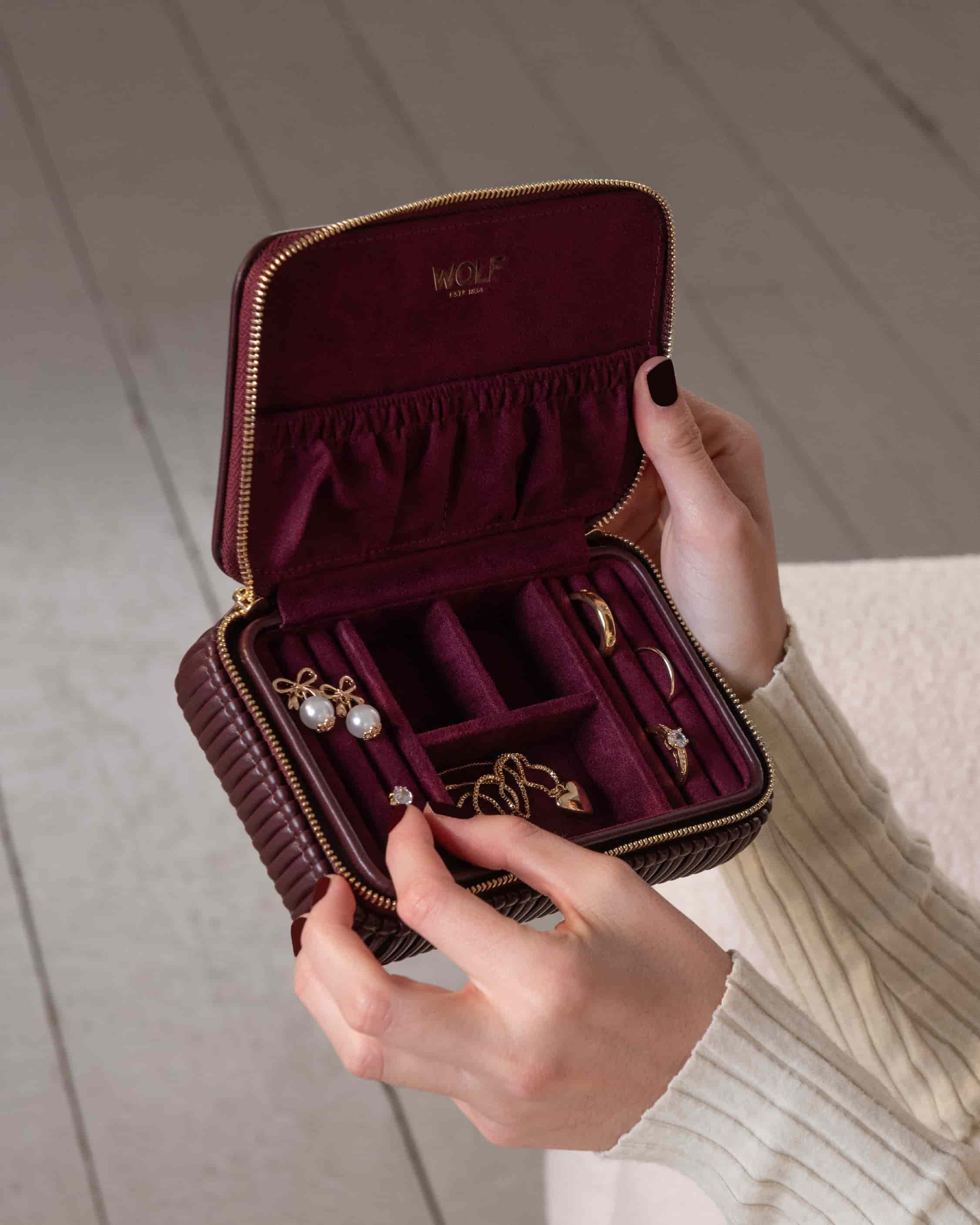
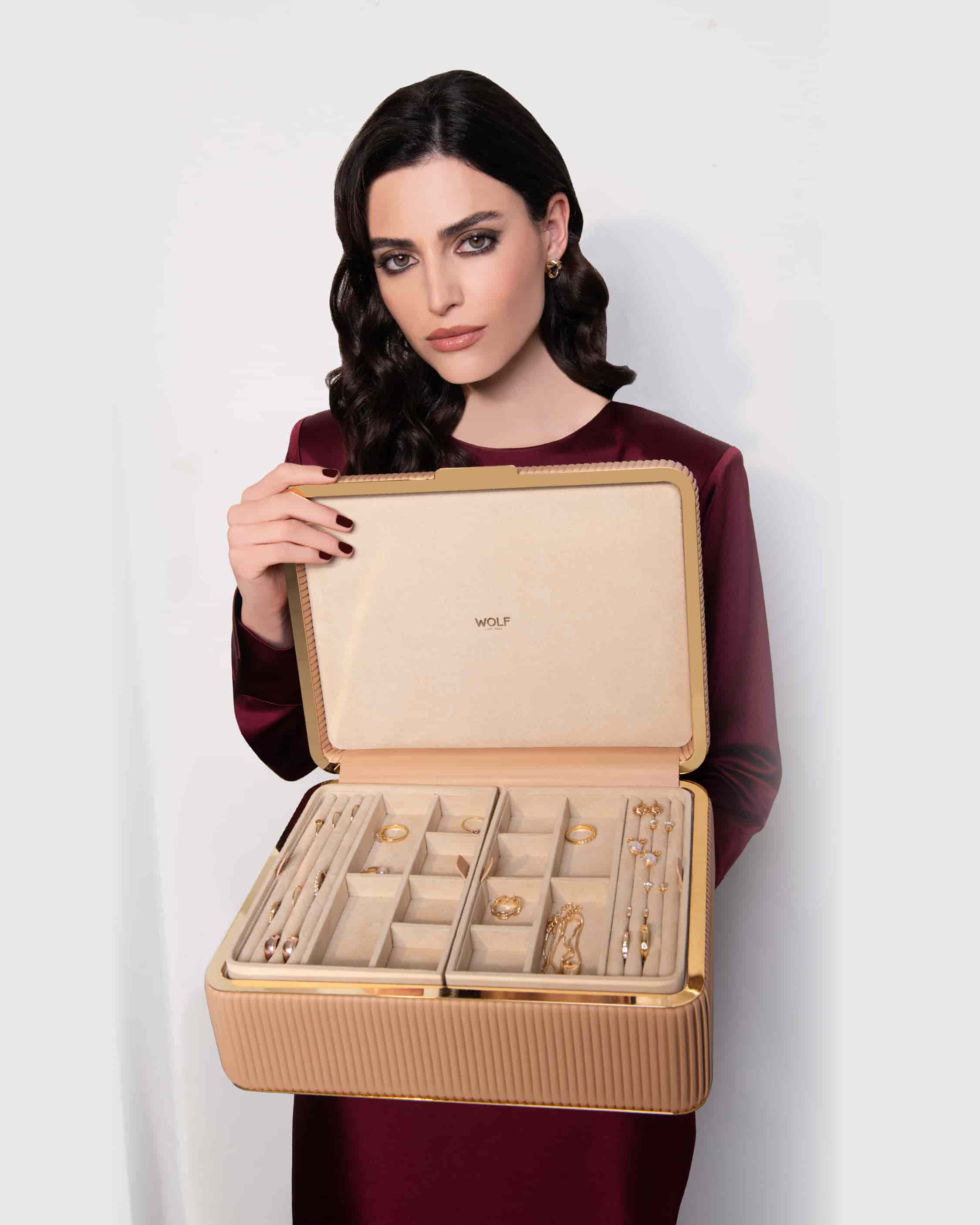
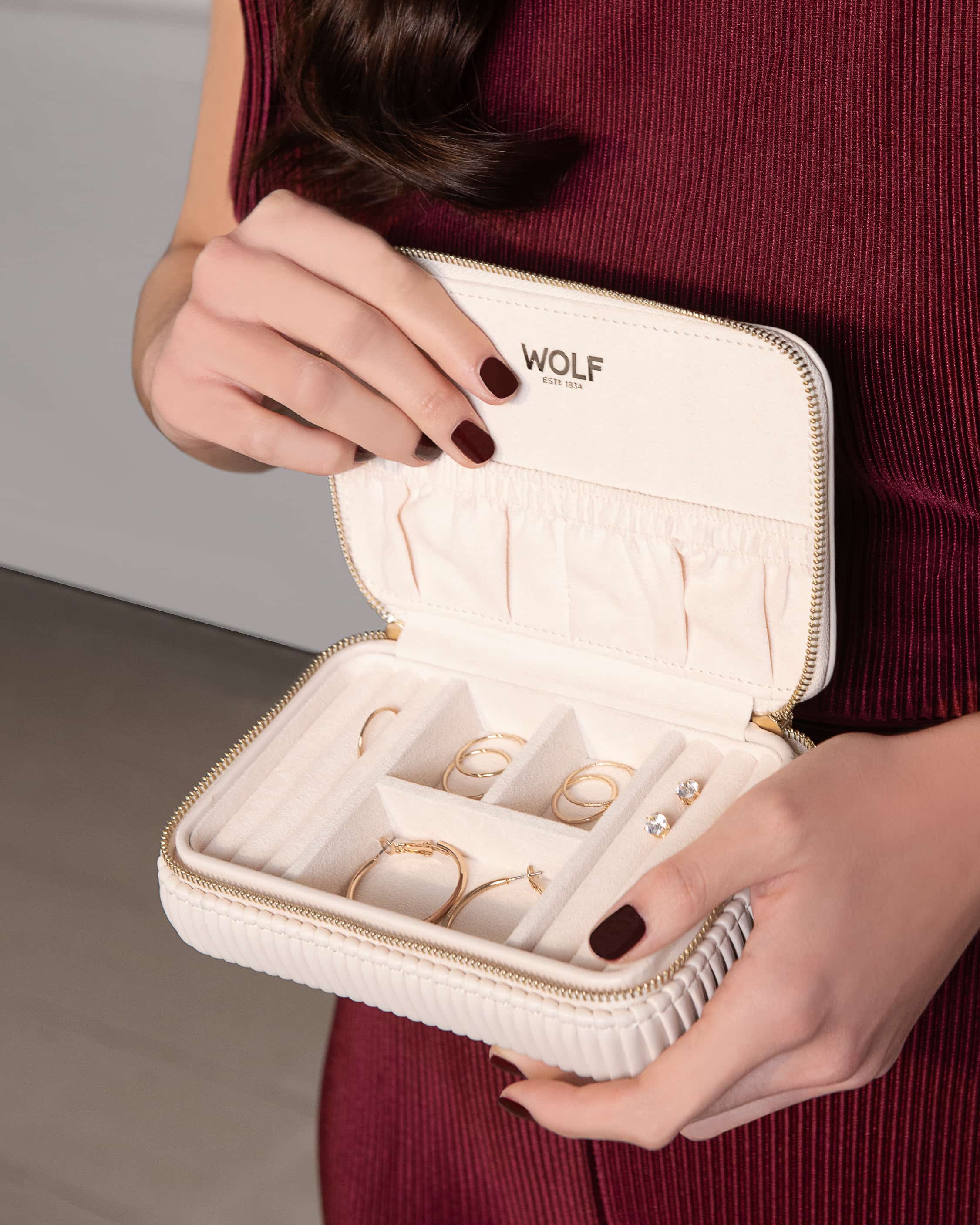
For jewellery collections, jewellery boxes and zip cases with dedicated compartments and anti-tarnish linings are the best way to store gold and silver jewellery, including rings, earrings, necklaces and bracelets. The enclosed storage helps to prevent tarnishing as pieces are kept separate, and exposure to air and humidity is reduced.
At WOLF, our watch and jewellery storage designs go one step further with our patented LusterLoc™ technology. Integrated into the lining, it absorbs the gases that contribute to tarnishing before they reach your jewellery, helping preserve its natural brilliance for longer.
Why Does Jewellery Tarnish: FAQs
Why do rings tarnish more than other jewellery?
Rings are exposed to more everyday wear than most other types of jewellery. Regular contact with skin, moisture, soaps and lotions means they're more likely to develop signs of tarnishing than pieces such as necklaces or earrings.
Why does silver tarnish when not worn?
Sterling silver can tarnish even when it's not being worn. Exposure to air, moisture and naturally occurring gases in the environment can gradually affect the metal, which is why thoughtful storage is just as important as regular care.
Can tarnish be cleaned?
Yes, tarnish can often be removed using a suitable jewellery cleaner or polishing cloth. While occasional cleaning can restore your jewellery's shine, preventing tarnish through proper care and storage helps reduce the need for frequent polishing.
Is tarnish the same as rust?
No, tarnish and rust are different. Rust forms on iron and steel, while tarnish affects metals such as silver, copper and brass. Although both are natural reactions, tarnish typically appears as a dull or darkened surface layer rather than the flaky corrosion associated with rust.